
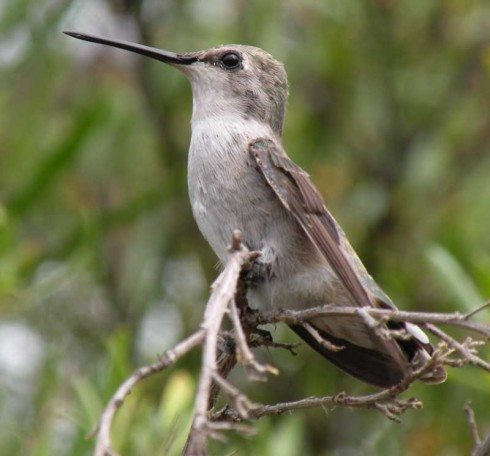
Now, for the first time in its history, gardening has taken on a role that transcends the needs of the gardener. Like it or not, gardeners have become important players in the management of our nation’s wildlife. It is now within the power of individual gardeners to do something that we all dream of doing: to “make a difference.” In this case, the “difference” will be to the future of biodiversity, to the native plants and animals of North America and the ecosystems that sustain them.
~Douglas Tallamy, Bringing Nature Home
What is Ecosystem Gardening?
I am available to speak at workshops and conferences about any or all of these topics.
What the heck is Ecosystem Gardening, you may ask? Ecosystem Gardening was a concept I developed while I was writing my thesis in grad school. It teaches you to conserve natural resources, garden sustainably, and create welcoming habitat for wildlife in your garden so that you will attract more birds, butterflies, pollinators, frogs and toads, dragonflies, and other wildlife.
To help you learn to put Ecosystem Gardening in practice in your own garden, I’ve developed a free 15 part course. Check out the new free online course Ecosystem Gardening Essentials
Ecosystem Gardening is built around 5 core principles, that when you apply all of them in your garden, you will automatically be.gin to attract more wildlife:
- Sustainable Gardening
- Soil Health
- Use Water Wisely
- Remove Invasive Plants
- Add more Native Plants
Don’t miss Ecosystem Gardening for Wildlife at the Wildlife Garden Academy, A 4-part online workshop series teaching you to garden sustainably, conserve natural resources, and create welcoming habitats for wildlife so that you will attract more birds, butterflies, native pollinators, and other wildlife to your garden.
But first see:
- What the heck is Ecosystem Gardening?
- Why Your Garden Matters so Much for Wildlife
- Defining the “Garden” in Ecosystem Gardening
- Defining the “Ecosystem” in Ecosystem Gardening
- Is Ecosystem Gardening Too Hard to Learn?
1. Sustainable Gardening
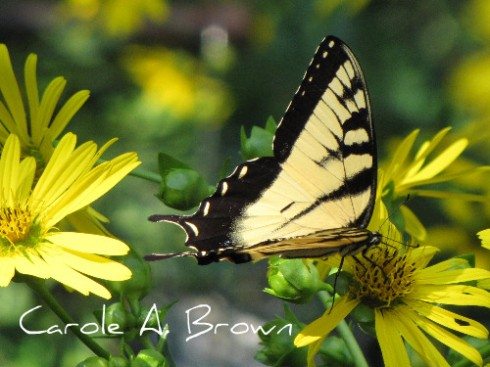
Sustainability is one of the words like “natural,” “organic,” “green,” and others that have taken on a wide variety of definitions to suit the purposes of the person using them.
But I boil it down to just 3 simple concepts:
1) Take the wildlife gardener’s Hippocratic Oath:
First, Do No Harm!
2) Manage Your Inputs — You don’t need to bring home huge piles of bags of fertilizer, mulch, and other amendments. You don’t need to use gallons of fossil fuels purchasing stuff that has already been harvested, trucked to a distribution site, and then trucked to your local big box store. You also don’t need to use more fossil fuels “maintaining” your garden with mowers, blowers, whackers, trimmers, or clippers.
3) Manage Your Outputs — Yard waste, leaves, and other organic materials can be composted on site so that you’re not using more fossil fuels to have it hauled away to become landfill.
Be mindful of the environmental costs of what you’re bringing in as well as what you’re sending out, and do no harm.
For further information please see:
- Sustainable Landscaping for Gardeners
- Energy Wise Landscape Design
- How to Save Energy in Your Garden
- Reduce Your Lawn and Send a Love Letter to Wildlife
- What Can You Do to Replace Your Lawn?
- Why Lawns are not Sustainable
- Is Sustainability Only About Human Benefit?
- Sustainable Gardening Resource Guide
2. Create Healthy Soil
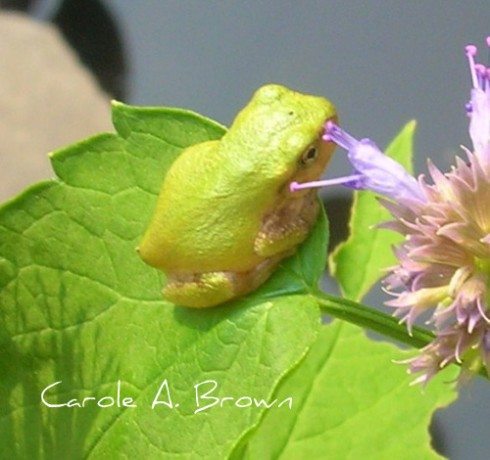
Feed the Soil, Not the Plants
Healthy Soil = Healthy Plants
- Soil organisms maintain plant health
- Fertilizers and pesticides kill these organisms
- Soil organisms improve soil structure, incorporating organic matter into the soil
- Healthy soil is able to fight disease and pathogens, maintaining the balance of soil health
For further reading:
- Compost and Healthy Soil
- I am the Lorax, I Speak for the Leaves
- Life in the Leaf Litter
- Ecosystem Gardening Resource Guide: Soil Health
3. Water Wise Gardening
In the U.S., 30% of potable water on the East Coast, and 60% on the West Coast is used for irrigation, mostly for lawn irrigation and agriculture. As many residents of southern California and Arizona already know, there is not enough clean water available in these areas for drinking and cooking, let alone watering the lawn. Continued unsustainable use of clean water is already causing serious problems in the southwest, and this pattern is only expected to worsen as time goes by.
When you choose native plants for the right conditions in your wildlife garden, and put them in the right place for their needs, it is very unlikely that you will need to provide supplemental watering.
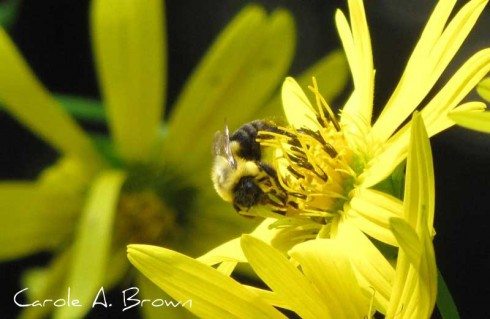
Plus, all wildlife needs access to fresh, clean water to meet their basic needs. By adding a wildlife pond, a rain garden, or a green roof, and managing rainwater correctly, you will have a wildlife friendly, water wise garden.
For more information:
- How to Install a Rain Garden
- How to Create a Wildlife Pond
- How to Install a Green Roof
- Managing Stormwater in Your Ecosystem Garden
- Resource Guide to Water Conservation
4. Remove Invasive Plants
I’m in the process of ripping out my entire wildlife garden because invasive plants have gained such a stranglehold while I was away caring for my mom.
Invasive plants are those that have been imported to this country that are now doing great harm to our natural ecosystems.
The majority of my time (and therefore the bulk of what my clients paid me) in various gardens in which I worked was spent removing invasive plants. As a matter of fact, the removal, control, and eradication of invasive plants are a huge expense for many communities, states, and the federal government.
Who pays these bills? Taxpayers do.
This means that a large amount of our tax dollars is being spent trying to control invasive species. In the United States, the estimated cost of controlling invasive species is $138 billion per year, introduced plants cost approximately $23.4 billion in annual crop losses, and invasive species now occupy more than 100 million acres and are spreading at the rate of 3 million acres every year.
Invasive plants also destroy wildlife habitat by outcompeting and overwhelming the native plants wildlife need to survive.
For further reading, please see:
- What makes a plant invasive? The first lesson in what NOT to plant
- Doug Tallamy on Invasive Plants
- Pizza is Great Bird Food
- Are Invasive Plants REALLY beneficial?
- The Most Hated Invasive Plants List
5. Plant More Native Plants
The native insects, birds, and other animals of this country co-evolved with the native plants indigenous to this land. Many native insects are specialists whose lives are dependent on one or a very few species of native plants. A landscape devoid of native plants will also be devoid of native insects, and therefore birds and other animals as well. If you want to invite wildlife into your garden you must start adding native plants.
For more information:
- Doug Tallamy Interview: Native Plants Support Local Food Webs
- The Top 10 Native Woody Plants for Your Wildlife Garden
- The Top 10 Native Perennials for Your Wildlife Garden
- Turning the Planting Pyramid Upside Down
- Ecosystem Gardening and Native Plants
- Carolyn Summers Interview: Designing Any Garden Style with Native Plants
- Doug Tallamy Interview: Bringing Nature Home to Your Ecosystem Garden
Create Welcoming Habitat for Wildlife
When you adopt the 5 Pillars of Ecosystem Gardening, you will automatically begin to see more wildlife in your gardens. In fact, by simply adding more native plants to your garden, you will begin to see more birds, butterflies, pollinators, and more.
But there are specific ways to help particular types of wildlife in your Ecosystem Garden:
- 7 Steps to Birdscaping Your Garden
- 4 Steps to a Beautiful Wildlife Garden
- How to Attract Native Bees to Your Wildlife Garden
- 5 Steps to the Ultimate Butterfly Garden
- 5 Ways to Help Amphibians in your Ecosystem Garden
- Life Cycles of Butterflies in your Wildlife Garden
- What did Black Swallowtails Eat Before We Brought Parsley, Dill, Queen Anne’s Lace here?
- Gardening for Monarch Butterflies
Learn More About Ecosystem Gardening for Wildlife
Applying the 5 Pillars of Ecosystem Gardening to Create a Haven for Wildlife
Using the 5 Pillars to help you garden sustainably, conserve natural resources, find the best native plants for the conditions in your garden, and create welcoming habitat for wildlife in your garden so that you will attract more birds, butterflies, native pollinators, frogs and toads, dragonflies, and other wildlife to your garden.
Planning and Designing Your Ecosystem Garden by Using the 4 Essential Elements
Do you know the one best tool you need to design a beautiful wildlife garden? You’ll learn that secret, and also how to use the 4 Essential Elements of Ecosystem Gardening to prepare a plan and design a spectacular garden that attracts lots of wildlife.
Beyond Bird Feeders: Birdscaping Your Ecosystem Garden
Let’s move beyond bird feeders to learn how to plant your own birdseed, and create a garden full of everything that birds need. You’ll learn the 7 easy steps to creating welcoming habitat for all kinds of birds in your Ecosystem Garden, how to find out which birds are in your region, and how to attract specific birds to your garden.
How to Attract More Butterflies to Your Ecosystem Garden
Planting lots of nectar plants is not enough. To attract a wide variety of butterflies to your Ecosystem Garden you need to learn to create a habitat that has everything butterflies need at each stage of their life cycle. You will discover that some plants attract hundreds of different kinds of butterflies and moths so that you will get the most bang for your buck in your wildlife garden.
More From Ecosystem Gardening:
Submit your review | |
I have been involved in gardening for wildlife for 12 years and it has been difficult to pull all the pieces together. Now I work to help convince others of the joy as well as the important ecological benefits of gardening with local native plants. I love the way this site is laid out and all the information in one place. Thank You
I am very NEW to gardening and only became interested because of my love for birds. Trying to find information on how to make your yard a more natural habitat has been difficult. I love this site! It has been an amazing resource!
Thank You
Very well written article.Thanks for sharing with us