
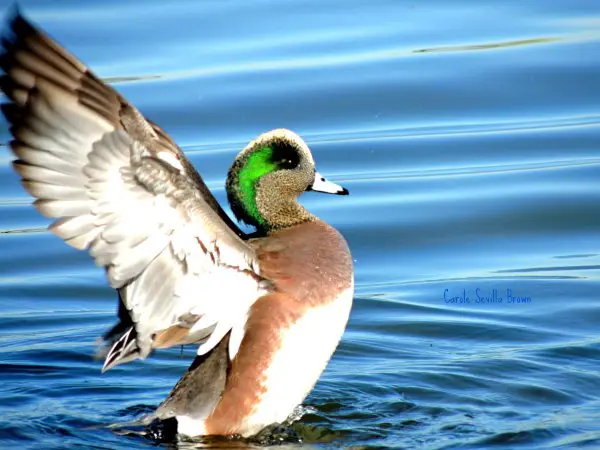
Did you know you can have a beautiful wildlife garden in just 4 easy steps? It’s true, really!
Ecosystem Gardening is one of the very few actions we can take that has immediate benefits in our environment. It is truly an “If you build it, they will come” activity, and a wonderful way to get children involved in caring for the critters that live right outside their doors. And by following these four simple steps you’ll be well on your way to creating an oasis for wildlife in your garden.
1. Provide Food for Wildlife
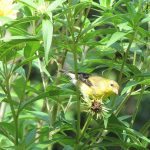
An Ecosystem Garden will provide food for all stages of life. Feeding wild animals means going beyond bird feeders and learning about the native plants that support all the wildlife of your area. Your wildlife garden is an ecosystem that contributes to the inter-related food webs on which your local critters are dependent. Pollinators, butterflies, birds, mammals will find a welcoming home in your garden when you plan your garden to include the plants that will best provide for their needs.
2. Provide Water for Wildlife
Access to clean water is one of the most important elements in caring for wildlife in your Ecosystem Garden, especially in winter. Providing water in your wildlife garden is not limited to birdbaths, but can include rain gardens, wildlife ponds, saucers, fountains and more. Ecosystem Gardening also uses water sustainably and manages rainwater in a responsible way to protect our streams and watersheds.
3. Provide Shelter for Wildlife
Your Ecosystem Garden will provide safe places for wildlife to get out of the heat and cold and find respite from predators. Urban neighborhoods provide particular challenges as some species of wildlife have adapted very well to living near humans, for example raccoons, opossums, and introduced species such as starlings, house sparrows and domestic cats.
4. Provide Safe Places for Wildlife to Raise Young
Your Ecosystem Garden will include many places for wildlife to raise their young, including your garden pond for frogs, toads, dragonflies, and salamanders, tree snags with cavities for birds and crevices for butterflies, wood piles, brush piles, and rock piles. The more of these elements you add to your wildlife garden, the more wildlife will choose to raise their next generation in your habitat. You need to make sure that these places to raise their young are safe from predators.


Submit your review | |