
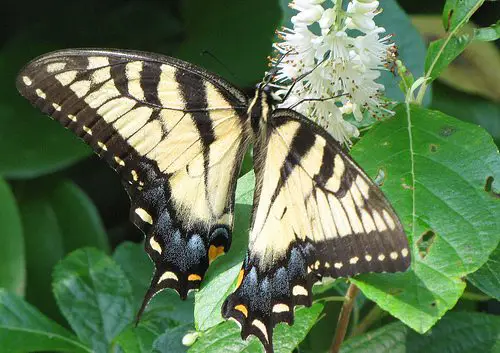
I was thrilled last week when I got the chance to visit with Pat Sutton and her husband Clay in their Cape May,NJ Garden. It is really a thrill to be in a garden that is buzzing, humming, blooming, chirping, and singing with life!
Doug Tallamy calls the lecture he gives for his book, Bringing Nature Home: How native plants sustain wildlife in our gardens, “Gardening for Life,” and this can really be seen in Pat’s Garden. The garden is overflowing with blooms: Ironweed, Perennial Sunflower, Purple Coneflower, Pickerelweed, water lillies, Bee Balm, Mountain Mint, Trumpet Honeysuckle…..every where I looked something else was blooming.
The air swirled with bees, hummingbirds, dragonflies, Black Swallowtails, Eastern Tiger Swallowtails, American Goldfinches, American Redstarts. There was no part of the garden that didn’t have some kind of wildlife action.
And this is the whole point of Ecosystem Gardening: the simple actions we take have enormous value to all kinds of wildlife.
Here are some beautiful examples of Pat’s dedication to the wildlife around her:
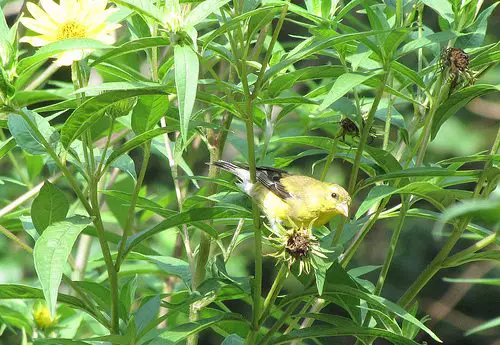
An American Goldfinch gorging on Perennial sunflower seeds
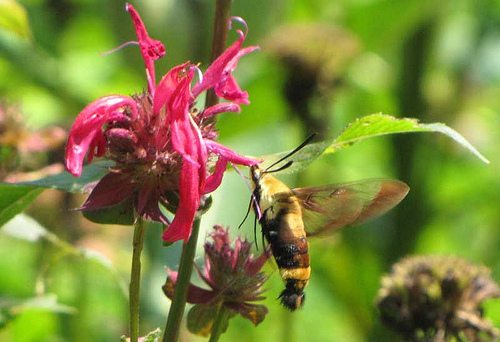
A Hummingbird Moth on Monarda Bee Balm
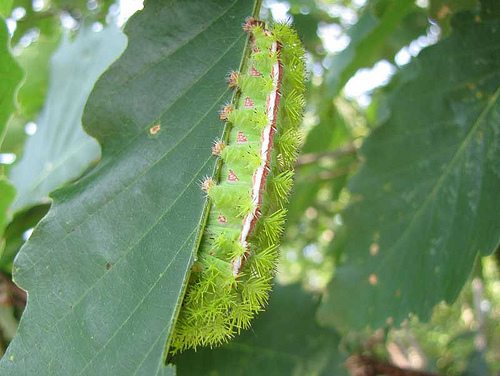
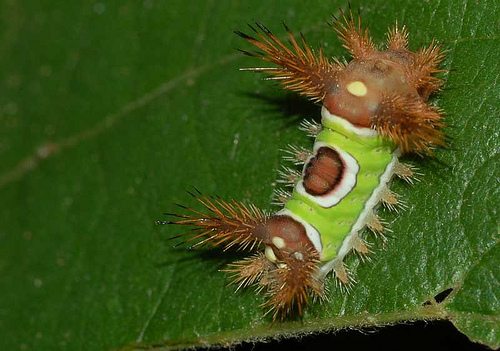
A Saddleback Caterpillar
And a Black Racer on a tree out front by the mailbox
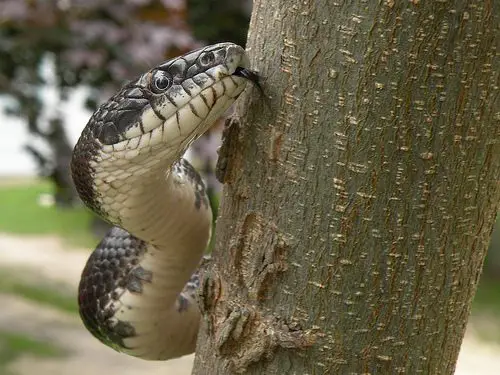
Now I know you are probably less than thrilled by the snake, and you’re thinking: “Are you kidding me? You want me to have snakes?” Snakes (and bats) are among the most persecuted of wildlife, and if you are lucky enough to see one in your garden, be grateful. According to Pat, the snake had not made an appearance prior to my visit and has not been seen since. I am feeling very blessed that it chose the day of my visit to bless us with its appearance.
More From Ecosystem Gardening:

Submit your review | |