
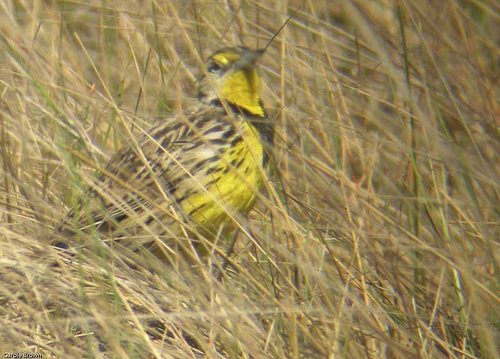
Secretary of the Interior, Ken Salazar released the State of the Birds report in March of 2009. This landmark study revealed that nearly one third of all U.S. birds are endangered, threatened or in significant decline due to habitat loss, invasive species, and other threats.
Salazar said:
“Just as they were when Rachel Carson published Silent Spring nearly 50 years ago, birds today are a bellwether of the health of land, water and ecosystems. From shorebirds in New England to warblers in Michigan to songbirds in Hawaii, we are seeing disturbing downward population trends that should set off environmental alarm bells. We must work together now to ensure we never hear the deafening silence in our forests, fields and backyards that Rachel Carson warned us about.”
Habitat loss is the key in these declines. Yes, there are organizations devoted to protecting habitats, but the total amount of protected land in the U.S. is only 5% of available lands. We have already discussed why this is simply not enough. 80% of available land in this country is held privately, and that is where you and your Ecosystem Garden play a crucial role.
Salazar stated:
“Healthy bird populations depend on maintenance of both the quality and quantity of habitats. These same habitats provide resources that are essential for human survival and quality of life. Trends in bird populations can give us initial insight into the health of these habitats, and thus provide an indication of environmental sustainability.”
Every time we choose to create, restore, or protect habitat in our wildlife garden, we are choosing to become responsible for the health of the wildlife in our area. Here are some examples of beneficial actions to help the birds of your locale:
- Reduce the size of your lawn by 10% and devote this to wildlife habitat
- Native plants are crucial in your wildlife garden. Without them, birds have nothing to feed their young
- Plant a variety of trees, shrubs, and perennials in your Ecosystem Garden. The more diverse your planting, the more species you can help
- Plant shrubs and trees that develop fruits and berries in your wildlife garden. These are necessary to provide energy for long migratory flights
- Plant species that produce seeds which entice birds to your Ecosystem Garden, such as perennial sunflower or coneflower
- Do not plant invasive species in your wildlife garden. Yes, some birds do eat these fruits or seeds, but they are then spread far and wide as the birds excrete them.
- Leave snags for nesting birds in your Ecosystem Garden. Of course, make sure your house is safe, but without nesting cavities, there will be no future generations of birds.
- Do not use pesticides, herbicides, or chemical fertilizers.
Even very small efforts can have a beneficial impact. Planting one native plant in that bare spot in your garden can help a lot. What are you doing to help birds at your place?
Recommended Reading
101 Ways to Help Birds, Laura Erikson
Restoring North America’s Birds: Lessons from Landscape Ecology, Robert A. Askins.
Silence of the Songbirds: How we are losing the world’s songbirds and what we can do to save them, Bridget Stutchbury
More From Ecosystem Gardening:
Submit your review | |