The Power of Doing Just One Thing in Your Ecosystem Garden

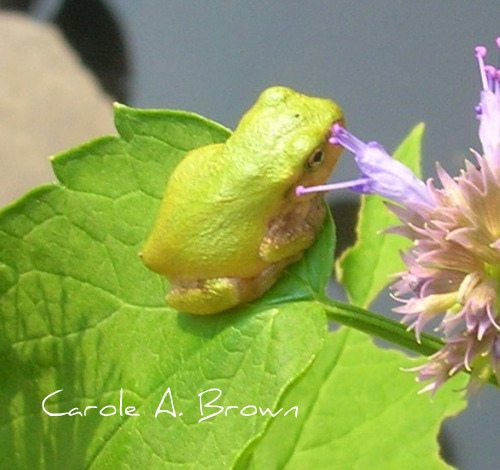
Frogs and Toads are in great danger You can help them in your wildlife gardenImagine if Doing Just One Thing Could Really Make a Difference for Wildlife

I know this sounds hokey, but it’s true. We could make a huge difference for our local wildlife if each of us chose just one item to do in our wildlife garden. Really.

You don’t have to redesign the landscape of your entire property. You don’t have to rip out your entire lawn (although parting with some would be a great improvement for wildlife right there). You don’t have to become a native plant purist. You just have to choose one helpful task and do it. If we each did just that much, struggling wildlife populations would have a better chance.

What is the one thing You can do in Your Wildlife Garden?

There are many to choose from. Your one thing will depend on many factors, but the important thing is to just pick one. Here are some suggestions:

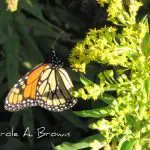
  • Plant a patch of milkweed and help a Monarch Butterfly on its amazing round-trip journey to Mexico and back.
  • A native cedar, viburnum, or holly can help a flock of Cedar Waxwings survive another cold winters night
  • A caterpillar host plant will ensure the next generation of butterflies
  • Install a raingarden and give a home to a family of toads
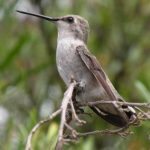
  • Some cardinal flower, trumpet honeysuckle, and monarda will delight you with a season of hummingbirds
  • Replace just 10% of your lawn with a patch of native wildflowers and help protect native pollinators
  • Install a bat house. They are in serious trouble and they help control unwanted insects
  • A garden pond will provide endless delight with dazzling dragonflies, singing frogs, bathing birds and more
  • Fill that empty space in your garden bed with a native plant

The point is, there are many things each of us can do, but if each of us did just one thing in our wildlife gardens, can you imagine the difference we could make when we all work together?

What is your one thing? What are you doing to help wildlife in your garden?

© 2009 – 2010, Carole Sevilla Brown. All rights reserved. This article is the property of EcosystemGardening.com If you are reading this at another site, please report that to us

Related Posts with Thumbnails
    About Carole Sevilla Brown

    Carole Sevilla Brown is a Conservation Biologist who firmly believes that wildlife conservation begins in your own back yard. Carole is an author, educator, speaker, and passionate birder, butterfly watcher,  and naturalist who travels around the country teaching people to garden sustainably, conserve natural resources, and create welcoming habitat for wildlife so that you will attract more birds, butterflies, pollinators and other wildlife.. She gardens for wildlife in Philadelphia, zone 6b, and created the philosophy of Ecosystem Gardening. Watch for her book Ecosystem Gardening, due out soon. Carole is managing editor of  Beautiful Wildlife Garden, and also  Native Plants and Wildlife Gardens. Follow Carole on twitter, @CB4wildlife and on Google+

    Comments

    1. Alison Kerr says:

      Yes, I’d do just one thing. Actually I plan to do more than one thing, but it’s good to have a reminder that implementing one thing is more effective than planning a dozen things and doing none of them!

      I have an 8 year old shade and prairie garden which needs renovated. That’s my current project. Now that the weather is cooling I need to get outside and remove some lawn to expand the area a bit; I have some sun-loving natives which need relocated, especially the little bluestem. I plan to bring in some native shade-tolerant shrubs which will attract butterflies – so far native hydrangea and virginia sweetspire are on my list. This is a good project for me because it’s manageable from the time/labor and money point of view.
      .-= Alison Kerr´s last post ..Edible Landscaping =-.

    2. Nif says:

      This year our One Thing was the hummingbird attractants: lots of monarda, lobelia cardinalis, and assorted appealing (but non-native) annuals. This year Jen has seen hummingbirds almost weekly.

    3. I started with a pond. The fun and pleasure I have had with that over the years has been amazing. From the dragon flies to the frogs and the birds that use it for bathing and drinking – it is wonderful.
      The great thing is that nature is its own teacher and as you start with one thing it leads to much more. This year I am making places for ladybirds to winter.
      Marion Anderson recently posted..The ONE Lesson I Wish I had Learned Sooner in Life

    Trackbacks

    1. [...] Ginny Stibolt has spent years researching this book, and she has presented this excellent information in the form of a “cookbook,” where you can take your favorite “recipe” and put it into immediate practice. I love this approach, as it fits very nicely with my thoughts on the Power of Doing Just One Thing in Your Ecosystem Garden. [...]

    2. [...] That’s where you come in. Your garden and the choices you make to help wildlife by sharing your space with them are critical. Reclaim your sense of childhood awe and wonder. Create a place for wildlife in your garden. [...]

    3. [...] The Power of Doing Just One Thing–really, choose just one thing and start making a difference now. [...]

    4. [...] species by making positive choices in our gardens and creating welcoming habitats for them. Even small choices can have a great impact, such as planting native plant in that empty spot, providing host plants for butterfly [...]

    5. [...] Ginny Stibolt has spent years researching this book, and she has presented this excellent information in the form of a “cookbook,” where you can take your favorite “recipe” and put it into immediate practice. I love this approach, as it fits very nicely with my thoughts on the Power of Doing Just One Thing in Your Ecosystem Garden. [...]

    6. [...] many gardeners are not yet ready to make that commitment, but I’ve been saying for years that if every one of us did just one positive thing for wildlife in our gardens, the cumulative effect would be enormous. Habitat loss is the number one cause of declining [...]

    Speak Your Mind

    *

    CommentLuv badge