Not long ago I wrote a post about helping your neighbors learn to love wildlife (and your wildlife garden), where we began a discussion about the ways we can educate our neighbors about the value of wildlife in the garden.
I continue to be very interested in the many ways each of you encourages your neighbors to make positive choices for the environment in their gardens. It’s a form of crowdsourcing, where we are building a useful library that all of us can draw inspiration from.
So if you haven’t already, head over there right now and give us your suggestions.
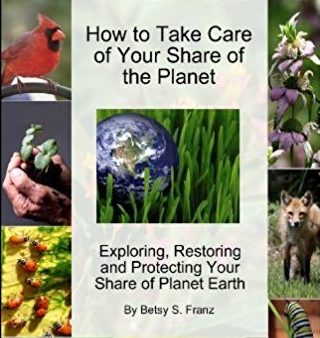
Anyway, Betsy Franz left a wonderful comment in which she quoted from her book, How to Take Care of Your Share of the Planet: Exploring, Restoring and Protecting Your Share of Planet Earth.
Here’s what she said:
I think that the best thing we can do is to continue to set a good example for our neighbors. It took awhile for re-usable shopping bags to catch on, but they did. Hopefully, wildlife friendly landscapes will follow suit.
Below is an excerpt from the book How to Take Care of Your Share of the Planet
How to Influence Others
– Educate Your Neighbors. Adjacent yards with wildlife habitats are even more effective. Share seeds, cuttings and informa-tion with neighbors that are interested in creating their own habitat.
– Share your stories, your pictures and your journal with neighbors and friends. Enthusiasm for wildlife is contagious!
– Have your yard certified in the National Wildlife Federation Backyard Wildlife Habitat program. Erect a sign and display it proudly.
– Share cuttings and seeds of native plants or wildlife friendly plants at garden club meetings or plants swaps.
– Remember, your goal is to educate, encourage and assist, never coerce. Enthusiastic wildlife gardeners are much better received than arrogant or extreme environmentalists are.
– Submit wildlife friendly topic ideas to local newspapers.
– Help schools to create schoolyard habitats or butterfly gar-dens.
– Open your yard to garden tours and explain your wildlife ha-bitat elements to visitors.
– Participate in on-line wildlife and garden forums.
– Give a copy of How To Take Care of Your Share of the Planet as a gift.
When I replied to Betsy’s comment, I said that I’d love to review her book for you. Well, I received a copy in the mail yesterday morning. Thank you, Betsy!
This small book is chock full of great ideas, from keeping a habitat journal of your garden, to planning your wildlife garden, protecting groundwater, gardening with nature not against it, and encouraging your neighbors to also start making more beneficial choices for the environment.
I’ve kept a journal of my garden since we bought this house in 2001. It’s so helpful to look back and see which day I should expect the first hummingbird, when does my Cardinal Flower bloom, or when the first Monarch will arrive.
This book has lots of great tips for keeping your wildlife journal up to date. I try to enter my sightings every day because I don’t want to forget anything.
The section on getting to know your property is really important. You should do this before you do anything at all in your garden so that you will be able to put the right plant in the right place.
Betsy has sections on butterfly gardening, bird gardening, pollinator gardening, dragonflies, and other wildlife. All in all, this would be a good choice to add to your reference library. It’s got loads of useful tips for planning your habitat garden and becoming a steward of your little piece of the planet.
More From Ecosystem Gardening:
 Ecosystem Gardening in Practice: Installing a Green Roof
- Palmerton, PA sometimes Mother Nature Gets a Second Chance, Part 1
- Ecosystem Gardening Essentials
- 4 Steps to a Beautiful Wildlife Garden
- What to Know About Attracting Native Bees
- Birding Festivals Through the Year
- Stormwater Management: City or Homeowner Responsibility?