
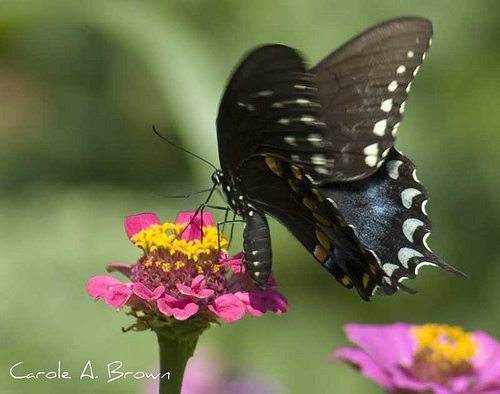
Did you know that habitat loss due to human action is the number one reason why wildlife species are declining? Well, it’s true, but you can help reverse this trend by making some smart choices in your garden that will provide welcoming habitats to birds, butterflies, native pollinators, frogs, toads, and small mammals.
It’s just a matter of learning to make better choices that will make wildlife a priority, conserve natural resources, and make sustainable landscaping choices seem second nature in our gardens.
You’re probably thinking at this point that we already have national, state, and local parks, wildlife management areas, national wildlife refuges, and Nature Conservancy properties, so your garden can’t possibly make a difference, but nothing could be farther from the truth.
These natural areas have been chopped into smaller and smaller pieces as we’ve built roads for logging, mining, and recreation. As the parks have become more fragmented, they have become over run with invasive plants and other species that are pushing native plants and wildlife out. The parks are simply too small and too far apart to be able to provide habitat for all of our wildlife.
Your garden can become a stepping stone or corridor of safe habitat between the parks, an oasis in a sea of development and urbanization.
Here’s some ideas to get you started:
Install rain barrels, rain gardens, and green roofs to slow the flow of stormwater into our streams and rivers, which is causing erosion and pollution.
Decrease the size of your lawn, which will lower the demand for foreign oil, and provide more habitat for wildlife
Use more native plants. Wildlife is dependent, either directly or indirectly, on an abundance of native plants for their survival.
Remember that every garden matters, and you can make a difference. What are you doing for wildlife in your garden?
More From Ecosystem Gardening:

Submit your review | |