
What happens when 14 billion gallons of stormwater per year meet a hundred-year old system of pipes that is merged with the sewage system and is over 1600 miles long? As you can probably imagine, the result is really not pretty. But your Ecosystem Garden can help alleviate this problem, and we’ll get to that in a minute.
But first, why is stormwater such a problem?
Mainly because we, in our infinite wisdom, have decided to treat stormwater like toxic waste, to be immediately removed from our presence and directing it off our properties and into a series of pipes that ultimately pushes this water into our streams.
There are many problems with this approach, which can be illustrated by the recent efforts of Philadelphia to address these issues:
- Over 60% of Philadelphia has a combined stormwater/sewage system. Even a quarter inch of rain can overwhelm this system and send road oil, litter, and raw sewage – gushing from 164 pipes directly into the Delaware River, the Schuylkill River, and Tacony, Pennypack, and Cobbs Creeks. Bacteria levels skyrocket. (Note: don’t eat the fish!)
- We have sealed the surface of the city with buildings, roads, parking lots, shopping centers, and business parks, giving the rain no way to soak slowly into the soil to be absorbed into groundwater systems.
- What open ground remains has become so compacted from constant mowing that rainwater is unable to permeate that soil either.
The city of Philadelphia has just announced a 1.6 BILLION dollar plan (over 20 years) to create a system of rain gardens, green roofs, permeable paving, and other green techniques to deal with this serious stormwater problem. Why! Consider these recent examples of the problem:
- We recently had over 6 inches of rain in just two hours, which caused a huge mudslide and shut down the major highway into and out of the city.
- In my neighborhood, there is one road good road out of the neighborhood and into the downtown area. This road runs along a creek which floods almost every time it rains, causing massive traffic backups and delays as this road is closed.
- There are certain neighborhoods in the city which experience major flooding with almost every rain storm. Streets become impassable and basements are filled with water.
This 1.6 billion dollars is going to come out of our pockets as taxpayers. There is a much better solution aside from requiring new construction projects to devise a plan to manage the rainwater on that site.
We can each learn to manage rainwater on our own properties and let it serve its natural function, and that is where our Ecosystem Gardens come in.
Here are some examples:
- Rain barrels are easy to install, and provide a source of irrigation water that can be used during dry times.
- Rain gardens are beautiful and act as filters, removing pollutants from the rain water and keeping those toxins out of our streams.
- Green roofs require a little more technical expertise, but provide welcome habitat for wildlife, and keep our houses warmer in winter and cooler in summer, reducing the cost of home heating and cooling.
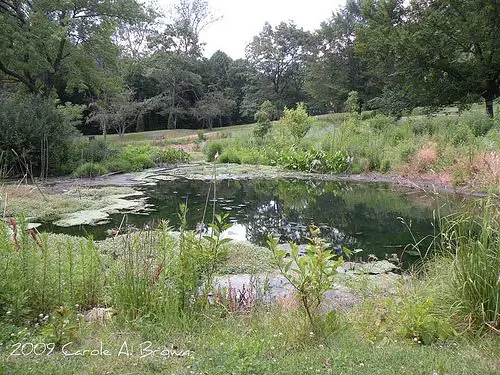
- Rainwater can be directed into a wildlife pond to be used by dragonflies, birds, frogs, toads, salamanders, and more.
- Resources for managing rainwater on your property can be found here.
 Why your garden matters to wildlife
- Have a Cup of Coffee and Help Save Bird Habitat
- One Third of U.S. Birds in Danger: How your Ecosystem Garden can Make a Difference
- Natives vs. Invasives: Can’t we just all get along?
- When Experts Mislead You
- Gardening for the Birds
- How Long Should I Leave my Hummingbird Feeders up in the Fall?
More From Ecosystem Gardening:





Submit your review | |