
Many wildlife species are habitat specialists, which means they have very specific needs for habitat for their survival. It is these species that are most vulnerable to extinction, and many of them are already listed as threatened or endangered.
Other species are generalists, and are able to survive in many habitats, even those dominated by human development. While this adaptability is good for generalist species since there is very little remaining habitat that has not been impacted by human action, the world would be a very boring place if the only remaining wildlife were these generalists.
Imagine a world where the only wildlife was the gulls in the Walmart parking lot, Starlings, House Sparrows, cockroaches, racoons, opossums, and white-tailed deer. These are just a few of the species who have become quite comfortable in our environments. Yes, a very boring place indeed.
On a recent visit to Florida, I was on a mission to find just one bird. Yes, the sight of flocks of herons, Sandhill and Whooping Cranes, migrating warblers and shorebirds, raptors, and pelicans is a truly amazing and wonderful thing, and I appreciated every one of those birds that I saw.
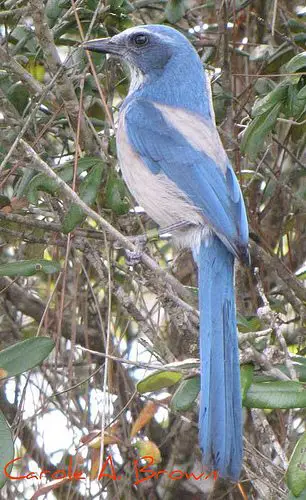
Florida Scrub Jays need specific habitat elements
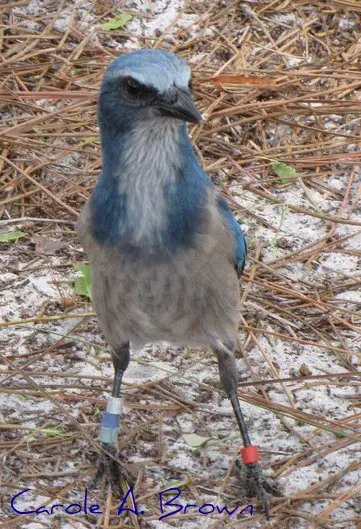
But the Florida Scrub Jay is an endangered bird that can only be found in very specific habitats in Florida. It cannot be found anywhere else in the U.S., making this endemic species much sought after by birders from around the world. I searched for 6 days and had almost given up hope, when we found several families of Florida Scrub Jays on our last day in Florida.
The Florida Scrub Jay is dependent on upland scrub habitat, which is characterized by nutrient poor , sandy soil, frequent wildfires, and occasional drought. These conditions were prevalent for millions of years and created many species which thrived in this harsh environment. Plants include: Myrtle Oak, Sand Pine, Sand Live Oak, Sandhill Oak, Florida Rosemary, and Prickly Pear.
The Scrub Jay feeds on the acorns from these oaks and caches them in the sandy soil. Those that are not eaten germinate well, ensuring the maintenance of this habitat community.
This was all well and good until development in Florida proceeded unabated. It seems we thought this upland habitat was great for something else–condos and endless Walmarts. This development and destruction of this specialized habitat came very close to wiping out the Florida Scrub Jay and it is now listed by the IUCN as vulnerable to extinction.
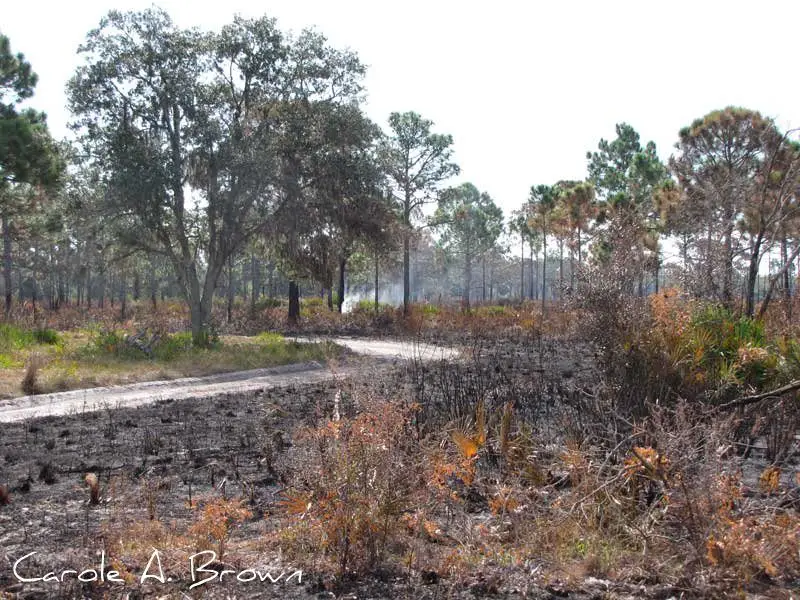
Florida Scrub Jay Habitat is Dependent on Fire
Now it is only through the herculean efforts of the State of Florida Wildlife Conservation Service and other environmental groups that the populations of Scrub Jay have been kept from further decline. Many state parks have been created to protect what remains of the necessary scrub habitat. Prescribed burns have been initiated to mimic the natural conditions that maintained this habitat in the past.
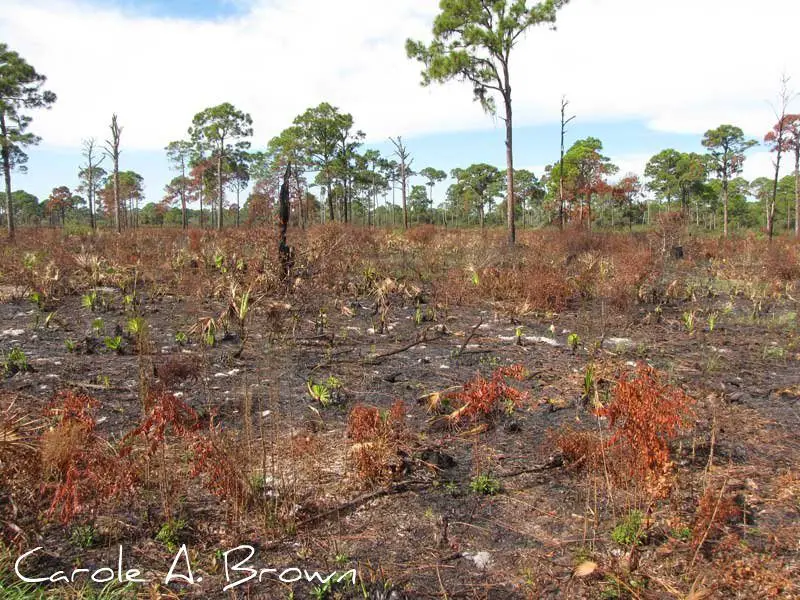
Florida Scrub Jay Habitat Regeneration
This habitat regenerates quickly after a fire. The trick is in managing which plots are burned on a cycle that allows maximum available habitat for the remaining families of Florida Scrub Jays.
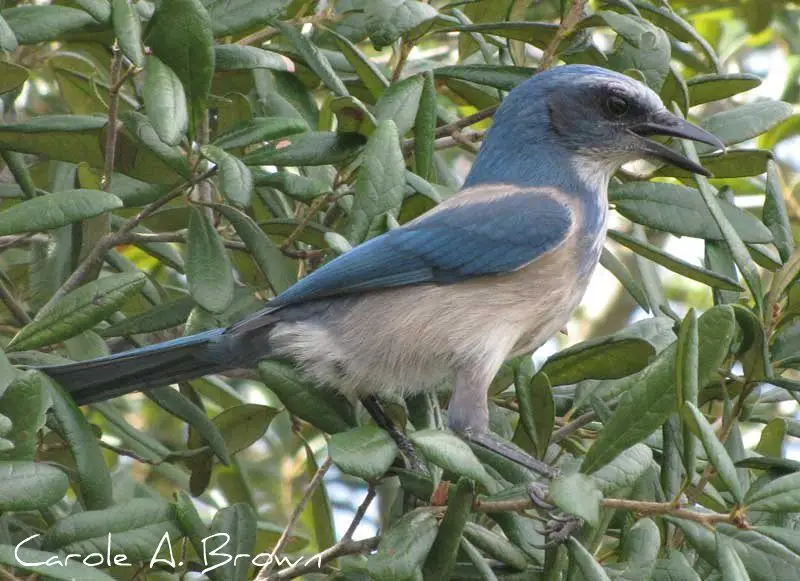
Florida Scrub Jay in Native Habitat
The Gopher Tortoise is dependent on this habitat as well, and is also in danger of extinction. We had worked our way almost to the end of the trail in blazing, 99 degree Florida sunshine, and I had given up hope of seeing the Gopher Tortoise, when one ambled across the path in front of us, stopped and looked at us for what seemed forever, then ambled into the scrub at the side of the trail.
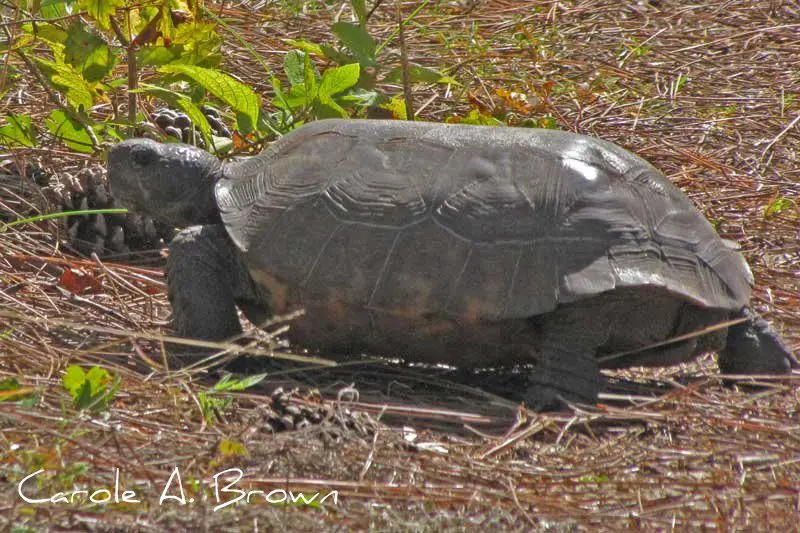
Gopher Tortoise needs same habitat as Florida Scrub Jay
There is a very important lesson here: protecting a species is not possible without protecting it’s habitat! It seems a much smarter plan to think about the outcomes of our actions BEFORE we destroy another habitat, because the cost of restoration and protection is enormous.
And by now you’re thinking, what does this possibly have to do with my garden? Here’s the thing. Each of us needs to become familiar with the endangered wildlife in our own regions, and their specific habitat requirements. By recreating these conditions as much as possible in your garden, you will be providing much needed habitat for wildlife.
Begin by calling your state’s wildlife conservation organization, such as the Department of Natural Resources, your local National Wildlife Refuge, or other local conservation organization to discover out which species need the most help in your area. Any of these organizations should be able to tell you how you can help wildlife in your garden.
When we make the effort to provide habitat for specialist species, we will be helping many other wildlife species as well.
More From Ecosystem Gardening:
 Ecosystem Gardening: Defining the Ecosystem
- I Believe That Children Are Our Future
- How to Certify your Conservation Garden for Wildlife
- Ecosystem Gardening and Native Plants
- Beware “greenwashing” when it comes to your Conservation Garden
- Gardening for the Birds
- The Benefits of Certified Wildlife Habitat Status

Submit your review | |