
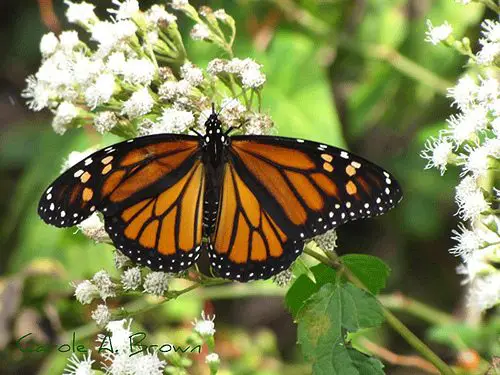
Here’s something I need to get out of the way right here in the beginning. I have been accused by some of being a native plant nazi because of my firm belief that native plants are much better in the conservation garden than are exotic plants.
I am not suggesting that you rip all your favorite exotic plants out of your garden, such as that shrub that came from a cutting passed down by your grandmother, those beautiful spring bulbs, or those cheery housewarming gifts you received from your neighbors. I have nothing against many exotic garden plants, and I have many in my own garden.
There is almost no sweeter sign of spring than the sight of crocuses pushing up their cheery blooms through the snow.
However, I do take issue with any plant that is invasive because they can out-compete native plants and destroy habitat for wildlife. I have a passionate dislike of any garden center that continues to sell invasive plants under the premise that “people want them, so if I don’t sell them someone else will”.
I am really not a fan of the “make money no matter what” philosophy (I have had an overwhelming desire in recent years to print up a roll of stickers that say “highly invasive–do not plant” and plaster them all over the plants at Home Depot and Lowes, among others).
It has been my experience that when people become aware of why these plants are so undesirable and so unhealthy for functioning ecosystems, they no longer want them, so instead of continuing to sell these plants, why not educate people to better choices?
Remember that our purpose here is to create habitat for wildlife, and in that regard, native plants offer significantly more benefits than do exotic species.
It is in this context that I am such a passionate advocate for the use of as many native species as possible in our landscapes. In a garden designed for wildlife, we want as many plants as we can squeeze into our gardens that best serve the needs of our local wildlife.
If the plants we choose can serve double duty by providing aesthetic beauty for us while providing habitats for several species of wildlife then that is all the better. So when choosing plants to fill in bare spots or new plantings, please take the needs of wildlife into account and choose native plants.
Speak with your wallet by supporting native plant nurseries in your area. When garden centers no longer make a profit from the sale of invasive plants, they will stop selling them.
More From Ecosystem Gardening:


Submit your review | |
Thank you for this clarification. Having read Bringing Nature Home a few years ago, I have been incorporating as many natives as possible into our numerous gardens, and one large garden area is devoted exclusively to natives, but the front border of it is small zinnias. We are converting our acre of pasture at the top of the hill into native prairie, and have purchased many native wildflower seeds. But rather than be a "purist," I will be planting many other common annuals and perennials alongside them. I want the showiness and color, so that people driving by may be so inspired by the beauty that they convert some of their grazing or cropland to the same purpose.